
Gender Equity Program and Woman Empowerment
The Gender Equality Program aims to promote awareness, understanding, and respect for women’s rights and broader gender equality issues within communities. Through education, advocacy, and community engagement, the program encourages individuals—especially youth—to recognize and uphold the principles of equality, dignity, and human rights for all genders.
The program supports and participates in various campaigns that advocate for gender equality and women’s empowerment, while fostering inclusive spaces where community members can openly discuss gender-related concerns, discrimination, and social challenges.
Goals
Promote awareness and understanding of gender equality and women’s rights.
Educate communities on gender issues, discrimination, and social inequalities.
Empower youth, women, and marginalized sectors to advocate for their rights.
Encourage community participation in gender equality initiatives and advocacy campaigns.
Program Achievements
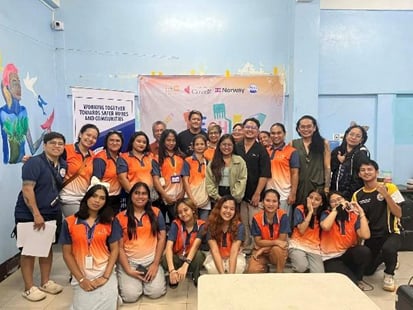
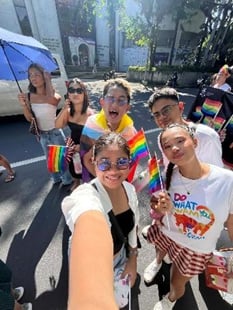
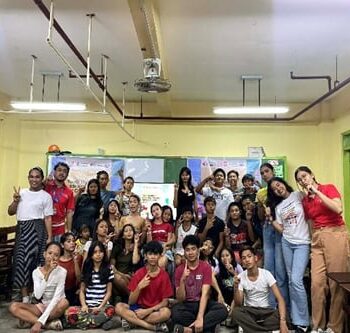
Established girl-led and child-led groups composed of young people who actively advocate for equal rights and youth participation in community development.
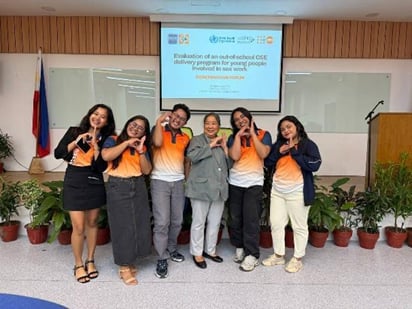
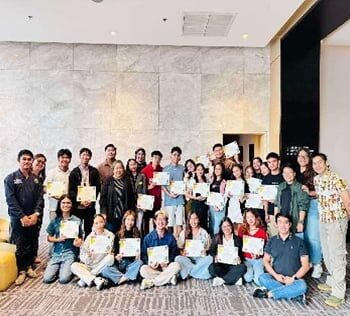
Implemented community-based learning projects covering Basic Human Rights, Women’s Rights, and Children’s Rights.
Conducted Comprehensive Sexuality Education (CSE) sessions through structured learning activities focused on promoting human rights, gender sensitivity, respect for diversity, bodily autonomy, and responsible decision-making.
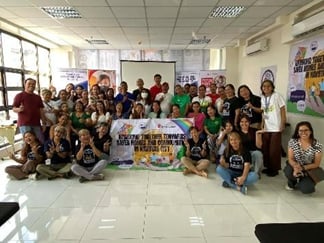
Trained community facilitators, including youth leaders, children, and transgender participants, to lead discussions and learning sessions in their respective communities.

STORIES
As a transgender girl growing up in an urban poor community, Jona Gregorio faced numerous barriers to opportunity and acceptance. It didn’t help that she was 3rd youngest among a brood of 10 siblings and her parents struggled to support their big family. Facing significant challenges due to poverty and her identity, Jona turned to risky behaviors as a teenager. At 16 years old, she sought connection and a sense of control in potentially harmful ways. What began as seemingly harmless online chats with strangers soon evolved into venturing into the more precarious world of bars and in-person encounters with men.

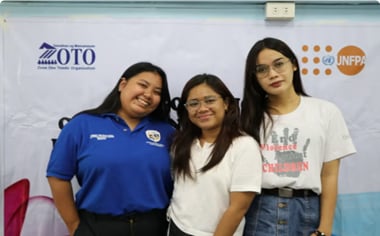
During her time as a participant, Jona received an allowance for each session she attended. This ensured that she had money to travel to the sessions. The extra cash encouraged her to keep attending and even invite her other friends who were also transgender girls not in school. Through the sessions, they learned about how to protect themselves from disease and abuse. They learned about their rights, gender-based violence, and sexually transmitted infections (STIs).