
Children and Young’s People
Rights Program
Child’s rights awaremess is now beng advocated and included in all of the organization’s programs, policies and projects. Daycare Centers have been set up in the relocation sites where it is right now. This is one way of affording quality early childhood education. It also involves Parents Councils in child and community development.
SM ZOTO Inc., also known as Samahan ng Mamamayan-Zone One Tondo, Incorporated, is a community organization that works with urban poor families in relocation sites. They also focus on ensuring children’s rights and well-being through various programs and advocacy.
Focuses on child-focused development, working to ensure every child can reach their full potential. They provide educational support, health education, skills training, and income-generating projects, particularly in deprived, excluded, and vulnerable communities. Their work is rooted in the belief that every child has intrinsic value and deserves the opportunity to thrive.
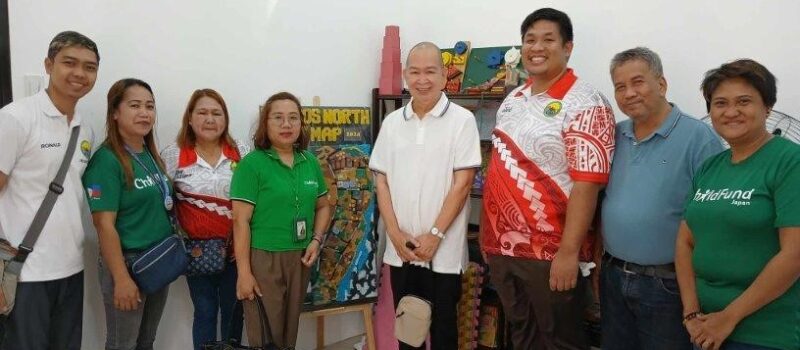
In 2024, ChildFund Japan Philippine Branch partnered with SM ZOTO Inc. to advance children’s rights and holistic development in partnership with local communities, particularly in Barangay Tangos, Navotas City. This initiative supports 150 sponsored children through educational assistance, child protection programs, and community empowerment efforts. By working closely with families and local leaders, the partnership aims to create a safe nurturing environment where children can thrive and build a brighter future.
Also, in partnership in Tangos 1 Elementary School, have been working together to plan future programs that support children’s development.
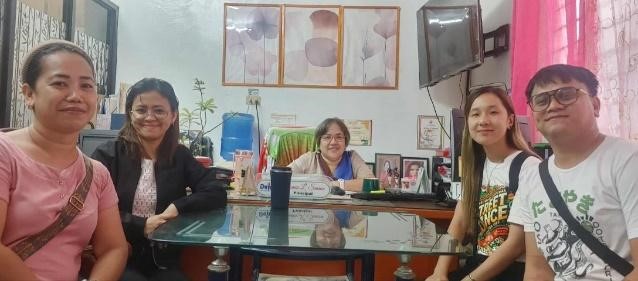
In cooperation with Barangay Tangos, Navotas City, they establish future programs aimed to supporting sponsored children and creating safe space in the urban poor community.
Featured Contents
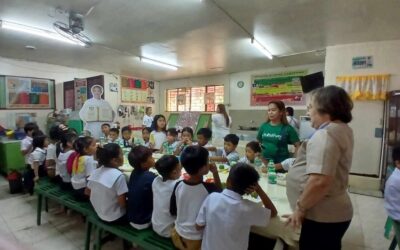
Primary Health Care and Integrated Reproductive Health Program
Featured Contents
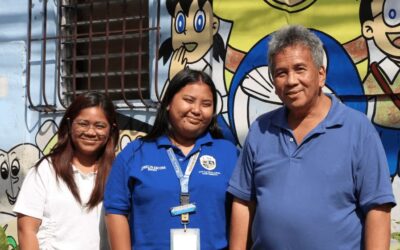
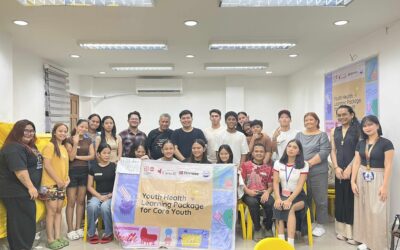
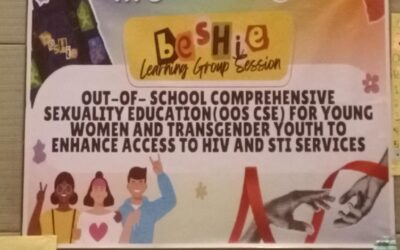
Save The Children
Building Safer Communities for Children and Youth
In many communities, young people face challenges such as limited access to education, poverty, and a lack of reliable information about health and rights. These conditions increase the risks of early pregnancy, gender-based violence, and other social issues affecting adolescents.
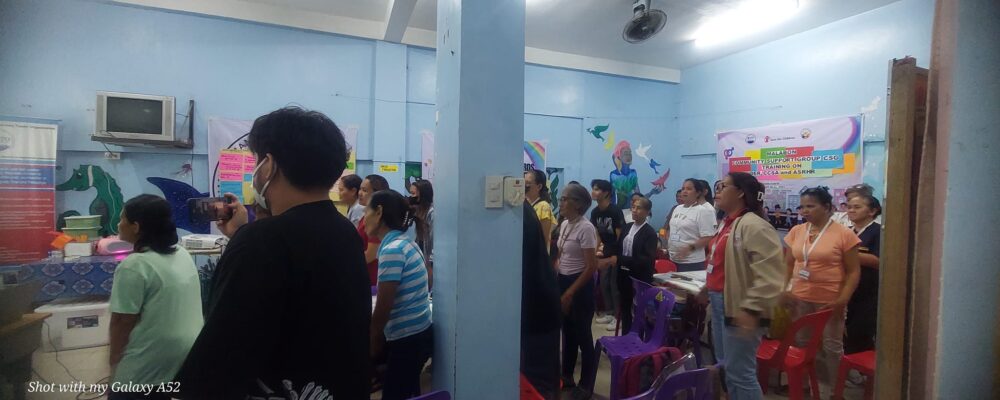
To address these challenges, community-based initiatives aim to empower children and youth through education, leadership development, and community engagement. By working together with families, community leaders, and local government institutions, these initiatives help create safer environments where young people can learn, grow, and make informed decisions about their lives.
“Young people are not only beneficiaries of change — they are leaders and partners in building safer communities.”
Empowering Young Leaders
Young people are placed at the center of the program through organized child-led groups that promote participation, leadership, and peer education. These groups provide safe spaces where adolescents can openly discuss issues affecting their lives, including gender equality, reproductive health, and child protection.
Through training sessions and community activities, young leaders gain knowledge about their rights, health, and responsibilities. They also learn how to lead awareness campaigns and support their peers by sharing accurate information and encouraging responsible decision-making.
Community Support and Engagement
Community members also play an important role in supporting young people. Parents, guardians, community leaders, and service providers collaborate to strengthen protection systems and ensure that children have access to guidance, education, and essential services.
Through community dialogues, awareness activities, and local initiatives, adults and youth work together to address issues such as adolescent pregnancy, discrimination, and gender-based violence.
Strengthening Local Systems
Local government units and barangay institutions are also engaged to strengthen policies and programs that protect children and adolescents. By integrating youth concerns into local planning and development programs, communities can ensure that child protection and youth development remain long-term priorities.