Training-Organizing Program (TOP)
The program has dual functions – Education and Training and Community Organizing. The latter is geared towards mobilizing community.
Participation through facts based, pro-people approaches; such as those that develop maintained responsibility towards goals. The formed leads to action.
The TOP staff nudges changes in the direction of sustainable development – assisting the community, build strong human, social, and physical resources. This is done via information, education and training, paralegal services, local mass struggles and organizational management.
Such services and facilities of the TOP help the urban poor communities strengthen their rights, work on their democratic demands and strengthen and broaden the scope and influence of their People’s Organization and as a contribution to the Urban Poor movement in general
The Training and Organizing Program has (7) seven major componenets, namely:
- social investigation andBaseline research
- Education
- Base consolidation and expansion
- Campaign, advocacy and alliance-building
- Facts-based expansion-organizing
- Critical participation in the local and national elections
- Youth and cultural organizing
Enhanced Security of Tenure of Informal Settler Families (ISF) in Navotas City
Discover the key aspects of Navotas City and our community engagement
Background on the Policy Issue
Navotas City faces a growing housing challenge affecting thousands of Informal Settler Families (ISFs). In 2023, the local government reported that around 7,000 families were without secure housing. Programs such as the 4PH housing initiative aim to address housing shortages but have been criticized for their limited accessibility to the poorest families.
While the program promotes vertical housing developments, many ISFs cannot afford the financial requirements needed to participate. As a result, the most vulnerable families remain excluded from housing opportunities and continue facing risks of displacement and demolition.
Key Housing Issues in Navotas
In Navotas, informal settler families (ISFs) face ongoing housing challenges, including limited access to programs, lack of affordability, and uncertain tenure security. Many existing housing initiatives primarily benefit those who can afford to participate, leaving a large portion of the estimated 7,000 households without support.
To address these gaps, SM-ZOTO implements key programs focused on policy advocacy, capacity building for civil society organizations, and the development of a community-based housing agenda. Through policy dialogues, livelihood support such as the DSWD Sustainable Livelihood Program (SLP), and advocacy campaigns, the organization strengthens both community participation and engagement with local government units.
As a result, communities have become more organized and active. Compared to before—when threats of demolition, weak alliances, and limited policy support were common—there are now stronger CSO partnerships, increased involvement of women leaders, a submitted draft housing policy, and greater community mobilization toward securing housing rights.

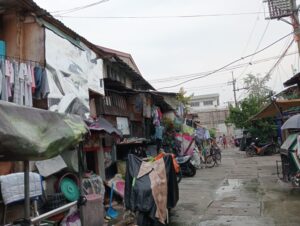
SM-ZOTO continues to create meaningful opportunities that strengthen both communities and grassroots organizations. Through membership expansion, new areas and sectors are reached, allowing more individuals ,especially Informal Settler Families (ISFs) to participate in collective action and community development. This growth enhances grassroots engagement and builds a stronger, more unified network.
The organization also supports access to livelihood opportunities by linking communities to programs such as the Department of Social Welfare and Development’s Sustainable Livelihood Program (SLP). These initiatives help families improve their economic stability and promote self-reliance.
At the community level, member-based organizations and ISF groups demonstrate strong solidarity by working together to address key issues, including housing concerns and governance challenges. This unity empowers communities to advocate for their rights and pursue inclusive development.
SM-ZOTO also promotes sustainability through activities that encourage active participation and collaboration among members. These efforts strengthen organizational capacity while supporting long-term community growth.
Internship Program
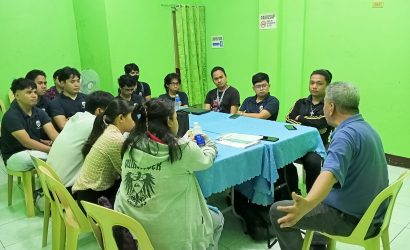
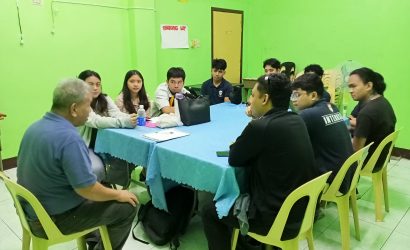
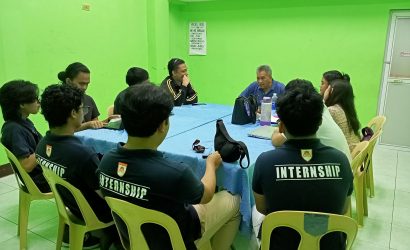
The SM-ZOTO Inc. Internship Program for the Information Technology (IT) and Finance Departments is designed to provide students and aspiring professionals with valuable hands-on experience in two essential areas of business operations. The program aims to help interns develop practical knowledge by allowing them to apply what they have learned in their academic studies to real workplace situations. Through this opportunity, interns gain exposure to professional environments where they can enhance their skills, build confidence, and prepare for future careers in the IT and finance industries.
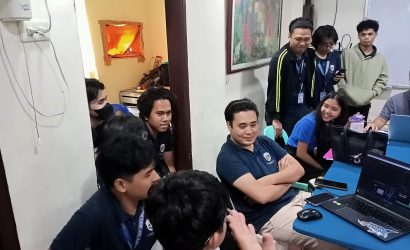
For interns assigned to the Information Technology Department, they will have the opportunity to assist in maintaining computer systems, troubleshooting technical issues, making a website for the organization,research about the history of SM-ZOTO INC.. This experience helps interns strengthen their technical expertise and problem-solving abilities in a fast-paced digital environment.
Meanwhile, interns in the Finance Department will be exposed to financial processes such as budgeting, financial reporting, record management, data analysis, and assisting with accounting-related tasks. They will learn how financial systems operate within the organization and gain practical insights into managing financial resources, maintaining accuracy in records, and supporting strategic financial decisions. Working alongside finance professionals allows interns to improve their analytical, organizational, and decision-making skills.
Through the SM-ZOTO Inc. Internship Program, both IT and Finance interns are encouraged to develop professionalism, teamwork, adaptability, and responsibility. The organization is committed to creating a supportive learning environment where interns can grow both personally and professionally. By offering real-world experience in these two critical departments, SM-ZOTO Inc. helps prepare future professionals for successful careers while contributing to their overall growth and development.
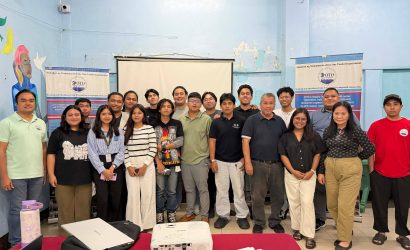
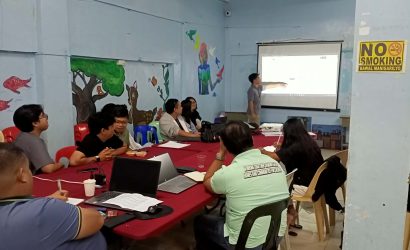
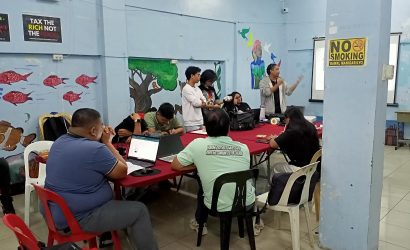
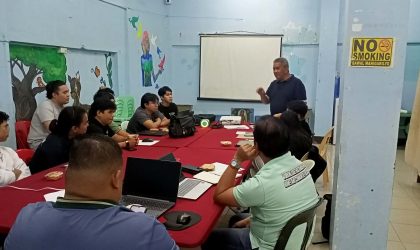
Orientation and Presentation