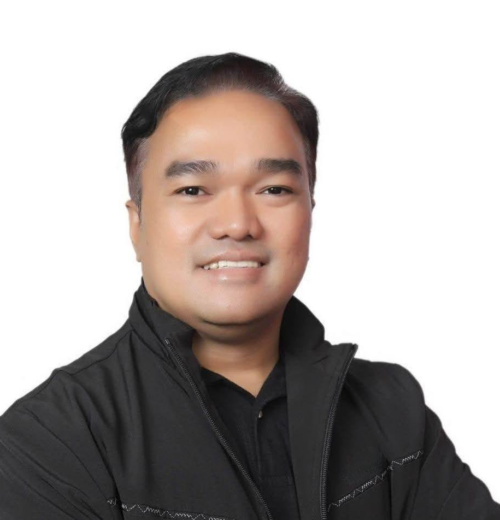
Orly V. Gallano
President
He responsible for guiding its overall vision, mission, and strategic direction. He represents SM-ZOTO in partnerships with government agencies, NGOs, and other stakeholders, especially in advocating for urban poor communities and housing rights.
He also oversees the implementation of programs and projects, ensures that community needs are addressed, and leads decision-making processes within the organization. In addition, the president strengthens member participation, coordinates with local leaders, and ensures that the organization remains aligned with its goals of community development, empowerment, and sustainable housing.
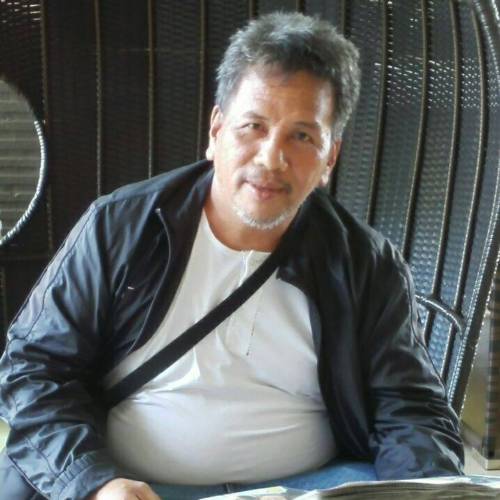
Rodelio S. Ablir
Executive Director
He oversees program implementation, coordinates with partner organizations and government agencies, and ensures that projects related to housing, community development, and urban poor advocacy are effectively carried out.
He also plays a key role in strategic planning, leadership, and community engagement, making sure that the organization’s mission of empowering urban poor communities is consistently achieved.
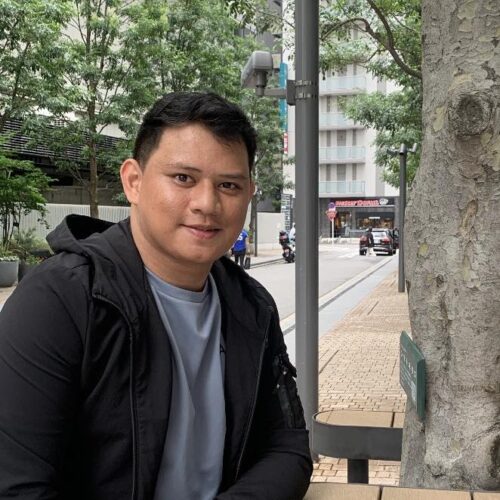
Lerry Hiterosa
Regional Executive
He responsible for overseeing the organization’s programs and operations within a specific region. This role ensures that SM-ZOTO’s initiatives—such as housing advocacy, community organizing, and social development—are effectively implemented at the regional level.
They coordinate closely with local chapters, community leaders, and partner organizations to address the needs of urban poor communities. The Regional Executive also monitors project progress, provides guidance to field staff, and ensures alignment with the organization’s mission and policies.

HOW IT ALL BEGAN?
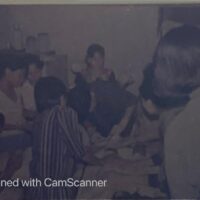
SM-ZOTO Incorporated is a federation of 646 urban poor local organizations in twenty eight (28) relocation sites in Metro Manila and nearby areas.
These relocation sites are Dasmarinas, Silang, Bulihan, General Trias, Tanza and GMA, Cavite; Bagong Silang, Tala, Dagat-Dagatan, Camarin, Caloocan City; Dagat-Dagatan Malabon City, Dagat-Dagatan Navotas City. Tondo, Manila; Sapang Palay, Muzon, Towerville, Citrus, Minuyan 5 Gaya-gaya, Grace ville of San Jose Del Monte, Bulacan, Pandacaqui in Pampanga.
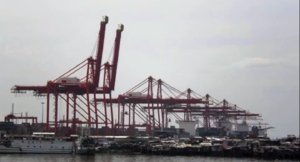
The Organization was founded in 1970 at the Tondo Foreshore Land when residents were to be demolished in favour of an IMF/World Bank Funded project – an international port. At the time, this area was the biggest colony of the slum dwellers of informal settlers in Asia.
OUR JOURNEY
Milestones Along the Way
1970
Founding of SM-ZOTO
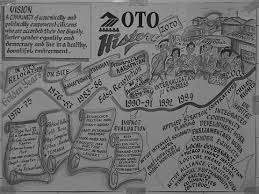
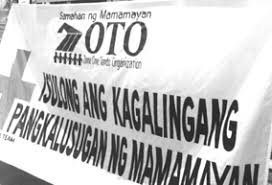
On October 20, the Zone One Tondo Temporary Organization (ZOTTO) was established to fight mass evictions in Tondo, Manila, which was then the largest slum colony in Asia. The word “Temporary” was soon dropped to reflect the permanence of their struggle, becoming ZOTO.
1970–1975
Rapid Growth
ZOTO grew from 20 member organizations at its inception to 113 local associations by 1975. During this era, it gained fame for mobilizing thousands of residents to negotiate directly with the Marcos government and international funders like the World Bank.
1972–1981
Martial Law Years
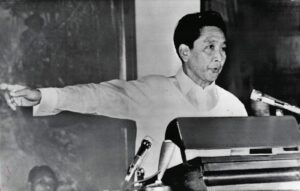
Despite the declaration of Martial Law and the subsequent arrest and torture of many of its leaders, ZOTO continued to organize. Its members used human barricades and non-violent protests to resist demolitions.
Late 1970s–1980s
Relocation and Expansion
As members were forcibly relocated from Tondo to various sites outside Manila, the organization evolved into a federation. It established chapters in new relocation areas to continue advocating for land security and basic services.
1990s
Sustainable Development
ZOTO shifted its focus toward sustainable community development, addressing environmental issues and livelihood opportunities for relocatees.
2000s–Present
Regional Federation
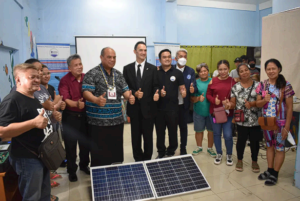
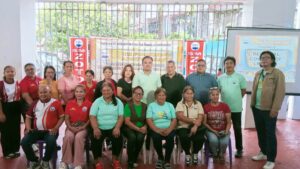
ZOTO currently operates as a federation of over 180 urban poor organizations across 14 relocation sites. It has active chapters in Malabon, Caloocan, Cavite, Bulacan, and Pampanga.
Recent Years (2020s)
Present Events
The organization continues to focus on human rights, reproductive health education, and advocacy for decent housing. It remains a visible participant in national social movements and anti-corruption rallies in the Philippines.